
THE HOUSE OF
BUTTERFLIES
-
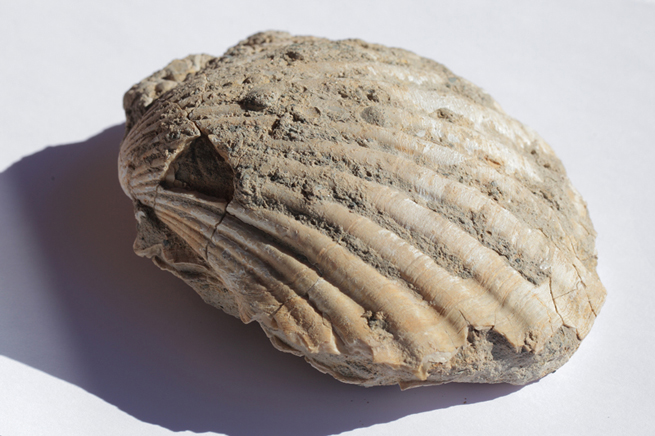
Bivalvia (Pecten sp.)
-
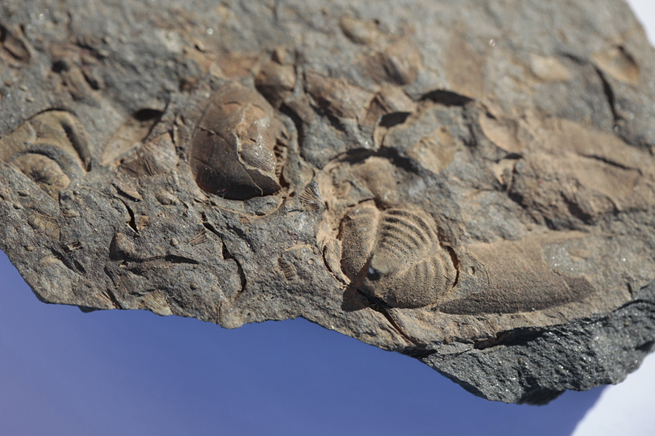
Slate with trilobites
-
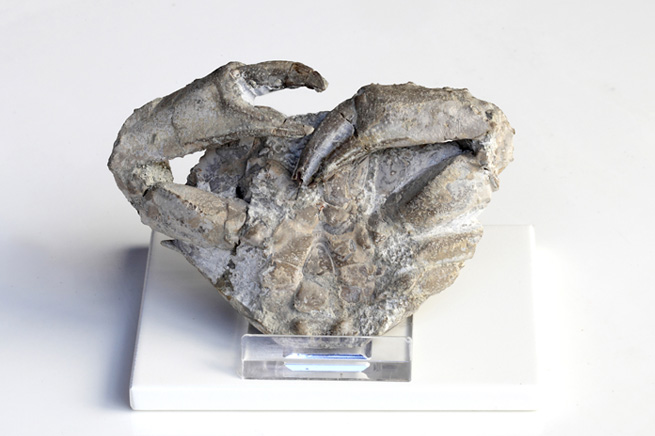
Crab (Harpactocarcinus punctulatus)
-
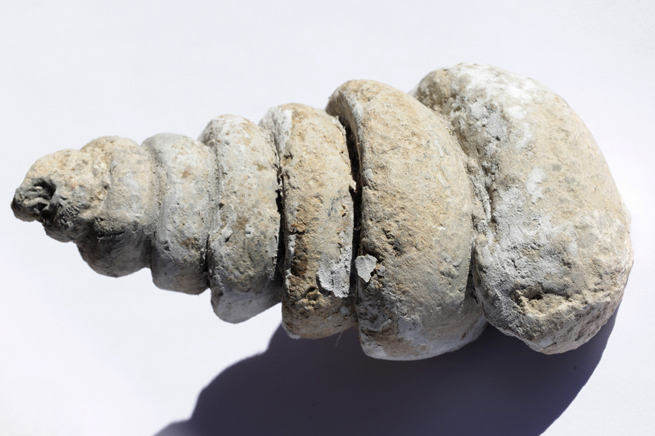
Gastropod (Campanile sp.)
-
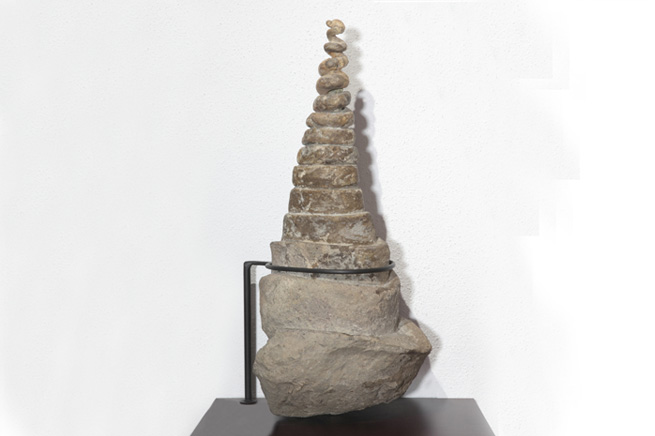
Gastropod (Campanile giganteum)
-
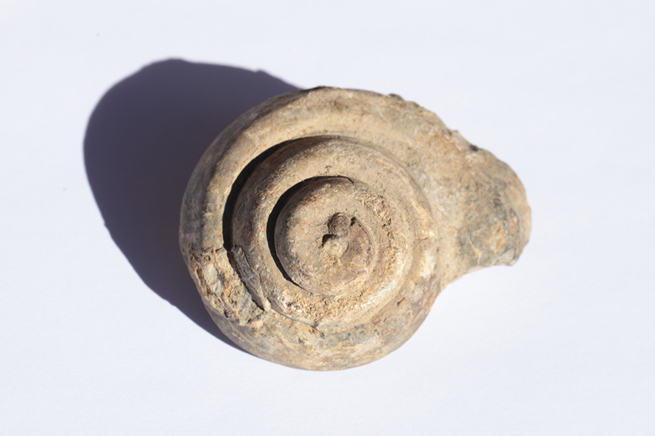
Gastropod (Natica sp.)
-
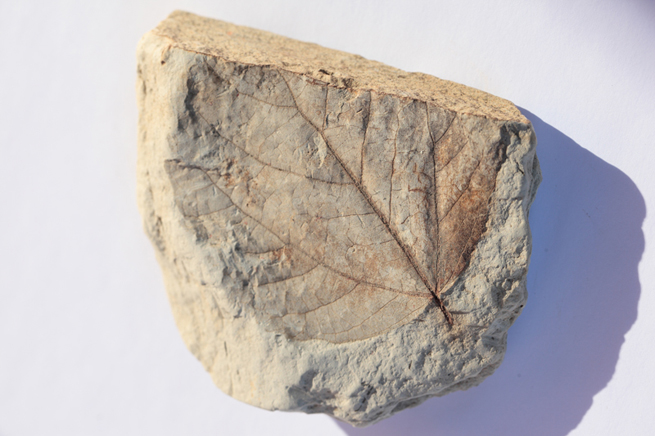
Leaf print
-
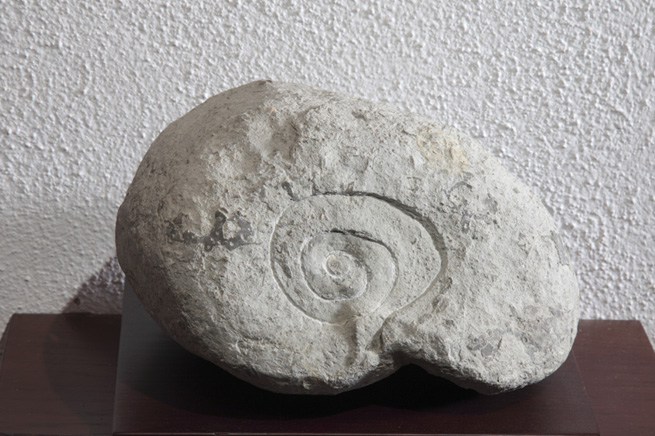
Gastropod (Gisortia vicetiana)
-
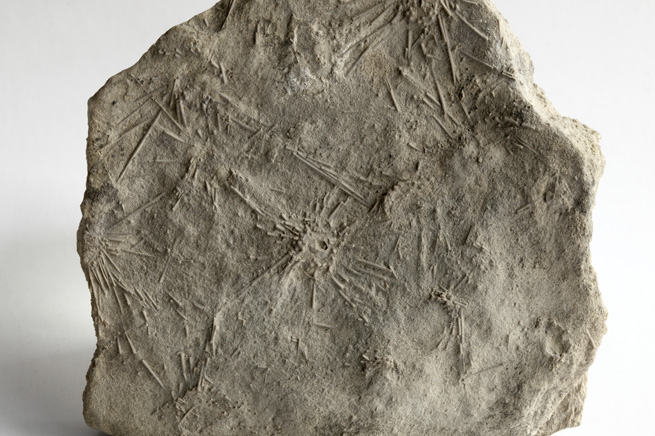
Shells and spikes of sea urchin (Coelopleurus sp.)
-
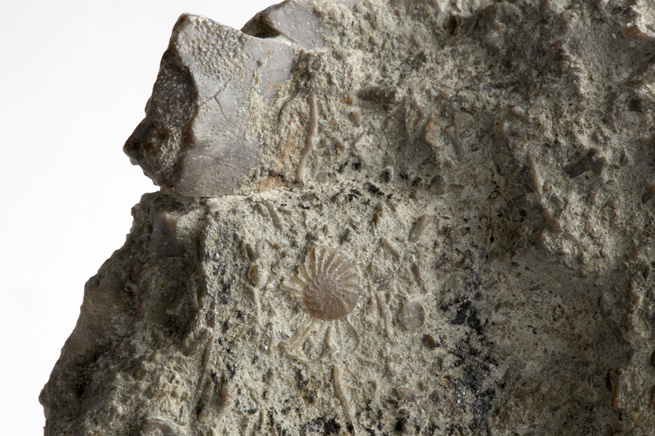
Limestone with sea fossils (Operculina ammonia)
-
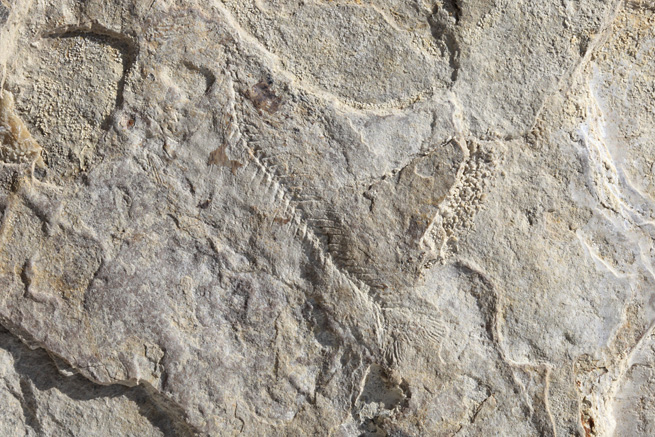
Fish fossil (spine and tail)
-
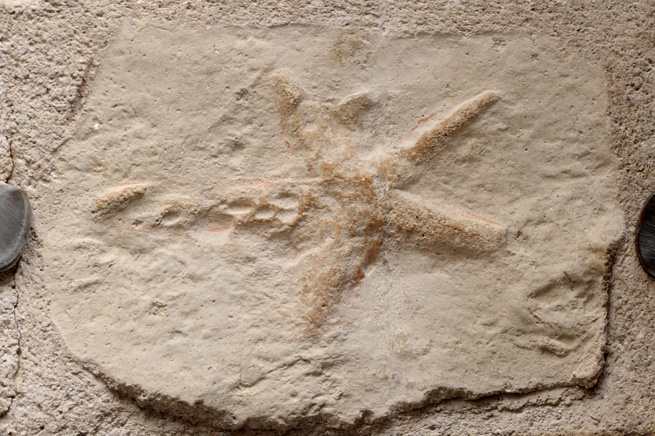
Starfish footprint
COLLECTIONS:
our fossils
Here you can see a small selection of the fossils in our collection. If you want to come and visit our little natural history museum, don’t hesitate to get in touch. Click on the right-hand or left-hand arrows to see more photographs.
FOSSILS
Our collection of fossils essentially originates from the Plana de Vic.
When we talk about ‘fossils’, we are referring to the remains of animals and plants that lived in previous geological eras that, on dying, became encrusted in the rocks formed by the sediments that were being laid down at the time.
In the sedimentary rocks of marine origin in the Plana de Vic we find fossils that are representative of the main marine habitats that existed during the Eocene (Tertiary Period).
OTHER TYPES OF FOSSILS
Trace fossils or ichnofossils are the marks and trails left by organisms that have been preserved in the sedimentary rocks. They include footprints, trails and claw marks, which have been ‘engraved’ on the rocks and which are now useful for studying the behaviour and habits of fossil creatures.
However unlikely it may seem, the merest mark – organic or physical – may be preserved on the soft surface of a sediment. This occurred near Sant Julià Sassorba (Osona) around 57 million years ago, where the tracks and trails of many arthropods (e.g. crabs), other invertebrates and reptiles have been found. Occasionally, the physical traces of moving water are fossilized as beaches, ripple marks or as the traces of the impact of drips or gases.
Discover our other collections of: